
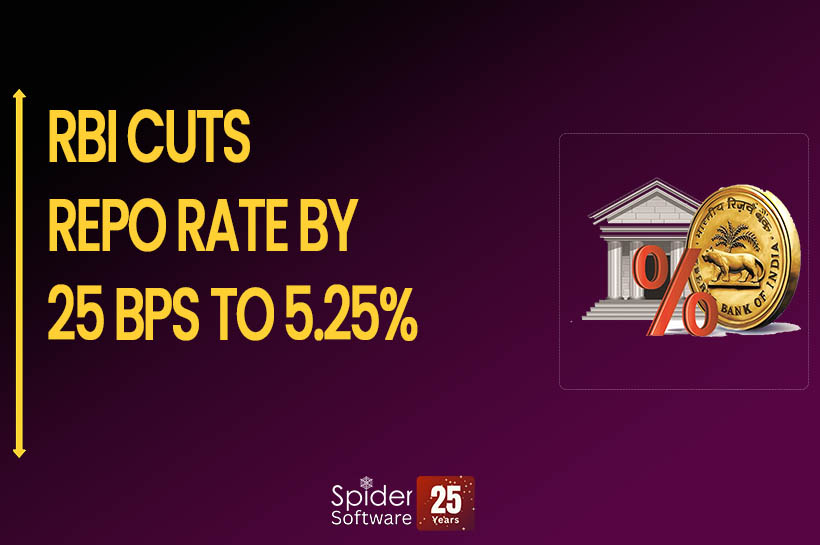
RBI reduces repo rate to 5.25% amid softening inflation and strong growth; EMIs likely to fall for borrowers.
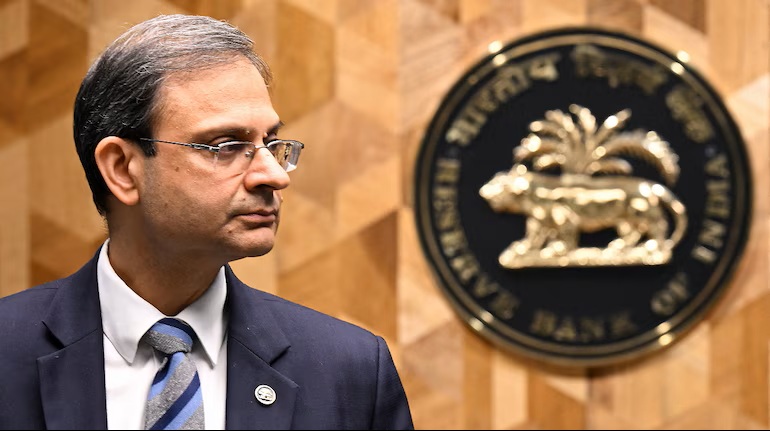
In a key move aimed at supporting economic growth, the Reserve Bank of India (RBI) has reduced the repo rate by 25 basis points, bringing it down from 5.50% to 5.25%. Governor Sanjay Malhotra announced the decision after a three-day meeting of the Monetary Policy Committee (MPC), which voted unanimously for the rate cut.
The decision marks a shift after two consecutive pauses and comes at a time when inflation has fallen to historic lows while the rupee continues to face pressure.
Why the RBI Cut Rates Now
The central bank highlighted comfort on inflation as the biggest reason for easing rates. Retail inflation (CPI) has been consistently softening, and in October 2025, it hit an all-time low, surprising policymakers and markets.
Updated Inflation Projections
- FY26 inflation projected at 2% (earlier 2.6%)
- Q3 inflation: 0.6% (earlier 1.8%)
- Q4 inflation: 2.9% (earlier 4.0%)
- Q1 FY27: 3.9% (earlier 4.5%)
Lower food prices and easing core inflation (excluding gold) have helped keep inflation under control.
What This Means for Borrowers
The repo rate cut directly impacts bank borrowing costs.
This means home loans, car loans, and other retail loans are likely to become cheaper, reducing EMIs for millions of borrowers.
Banks are expected to pass on the benefit gradually through lower lending rates.
Rupee Pressure & Liquidity Support
Despite the inflation comfort, the RBI faces challenges on the currency front. The rupee recently hit a record low of ₹90.42 against the US dollar.
To stabilise the system, the RBI announced major liquidity measures:
- Forex swaps worth $5 billion
- Bond purchases worth ₹1 lakh crore under Open Market Operations (OMO)
- Total liquidity infusion expected: ₹1.45 lakh crore
These measures aim to support the rupee while ensuring ample liquidity in the banking system.
GDP Forecast Revised Upwards
In a strong vote of confidence for the economy, the RBI sharply increased India’s growth projections:
GDP Outlook
- FY26 forecast: 7.3% (earlier 6.8%)
- Q3 forecast: 7% (earlier 6.4%)
- Q4 forecast: 6.5% (earlier 6.2%)
The economy clocked 8.2% GDP growth in the last quarter its fastest in six quarters driven by strong demand, industrial performance, and government capex.
Governor Malhotra described the current phase as a “rare goldilocks period” for India, combining low inflation and solid growth.
Key Policy Rate Changes
| Facility | New Rate | Previous Rate |
|---|---|---|
| Repo Rate | 5.25% | 5.50% |
| Standing Deposit Facility (SDF) | 5% | — |
| Marginal Standing Facility (MSF) | 5.5% | — |
| Bank Rate | 5.5% | — |
Policy stance: Neutral
Why This Policy Matters
This policy decision strikes a balance between:
- Supporting growth, given strong demand and rising GDP
- Maintaining inflation stability, as CPI reaches record lows
- Managing rupee volatility, through liquidity tools
- Preparing markets for smoother financial conditions ahead
Experts believe the rate cut may help extend India’s growth cycle into FY27, especially if inflation remains stable.
Conclusion
The RBI’s 25 bps repo rate cut to 5.25% reflects confidence in India’s disinflation trajectory and growth prospects. Borrowers can expect lower EMIs, while markets may benefit from stronger liquidity support.
As India heads into 2026, the combination of benign inflation, robust growth, and active RBI intervention positions the economy favorably amid global uncertainties.
Voice Of Traders by Spider Software
HDFC Securities’ SECRET Stock Picking Formula! (STRATEGY REVEALED)

Disclaimer: The information provided in this Blog is for educational purposes only and should not be construed as financial advice. Trading in the stock market involves a significant level of risk and can result in both profits and losses. Spider Software & Team does not guarantee any specific outcome or profit from the use of the information provided in this Blog. It is the sole responsibility of the viewer to evaluate their own financial situation and to make their own decisions regarding any investments or trading strategies based on their individual financial goals, risk tolerance, and investment objectives. Spider Software & Team shall not be liable for any loss or damage, including without limitation any indirect, special, incidental or consequential loss or damage, arising from or in connection with the use of this blog or any information contained herein.